
An inch of rainfall doesn’t seem like much. But when it falls onto an average-sized roof, it can add up to a 1,900-gallon torrent that can cause a great deal of damage (especially if your gutters aren’t able to control it). Yet, people barely give it a second thought — that is, until they’re clogged and overflowing. Gutters are an important part of your home, but not all of them are created equal. So, doing some research can help you find the best gutter system for your home. It will also save you a great deal of headache later on. At Bayfront Roofing, we generally install seamless aluminum gutters for a variety of reasons.
Why Does Bayfront Suggest Seamless Aluminum Gutters?
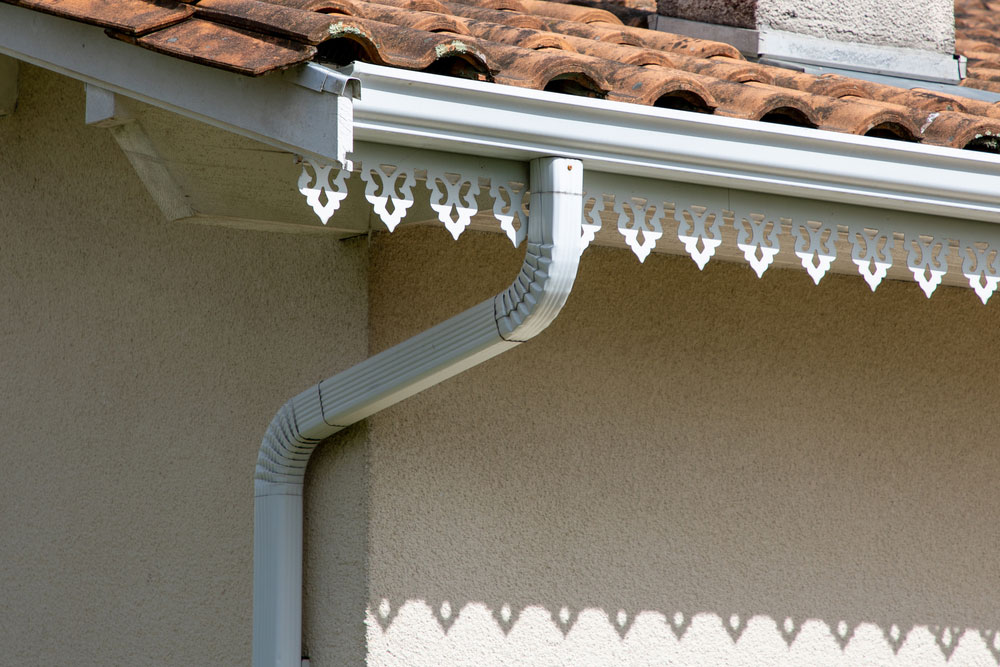
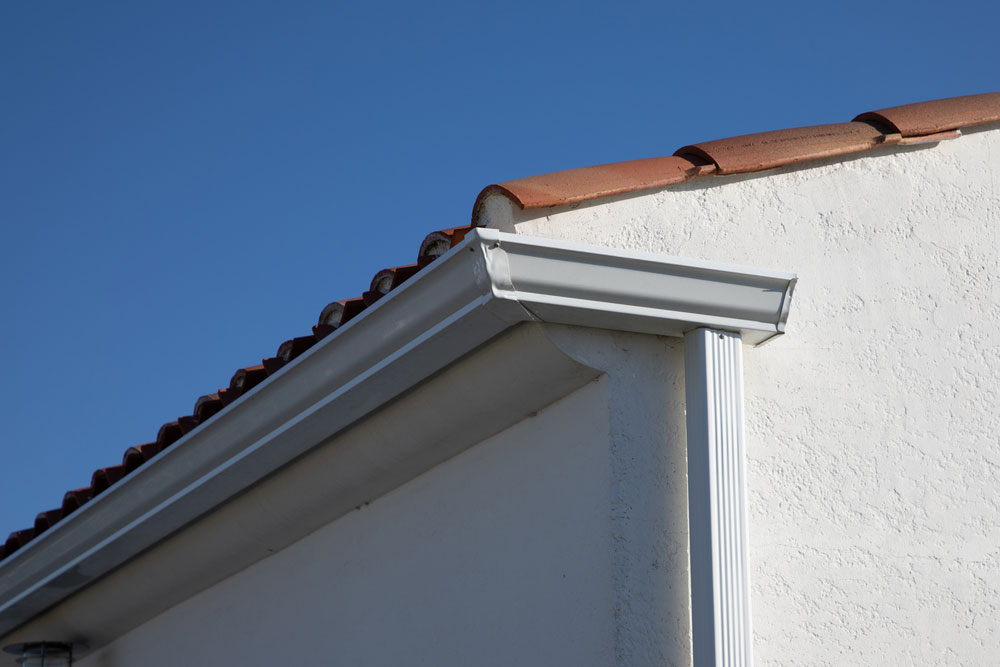
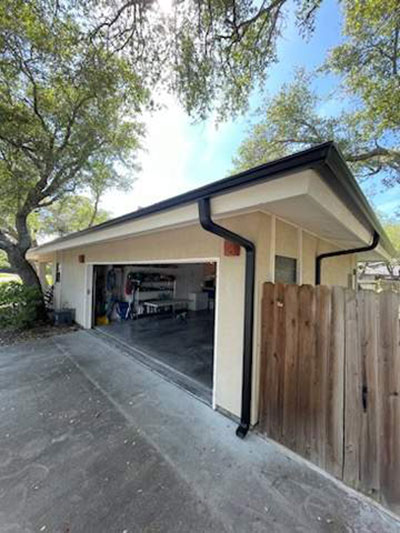
Aluminum gutters are considered superior for several reasons. Firstly, aluminum gutters are lightweight, making them easy to handle and install compared to materials like steel or copper. This lightweight nature also reduces stress on the structure of the building, minimizing the risk of damage or sagging over time. Secondly, aluminum gutters are highly durable and resistant to corrosion. Unlike steel gutters that can rust or copper gutters that may patina, aluminum gutters maintain their integrity and appearance for an extended period. They are also immune to the effects of moisture, ensuring reliable performance even in wet climates. Furthermore, aluminum gutters require minimal maintenance, as they do not require painting or sealing like other materials. They are typically pre-painted or coated with a protective finish, allowing them to maintain their appearance and functionality for many years. Lastly, aluminum gutters are available in a variety of styles and colors, allowing homeowners to choose an option that best complements their property’s aesthetics. Overall, the lightweight, durable, corrosion-resistant, low-maintenance, and aesthetically versatile characteristics of aluminum gutters make them a superior choice for many residential and commercial applications.
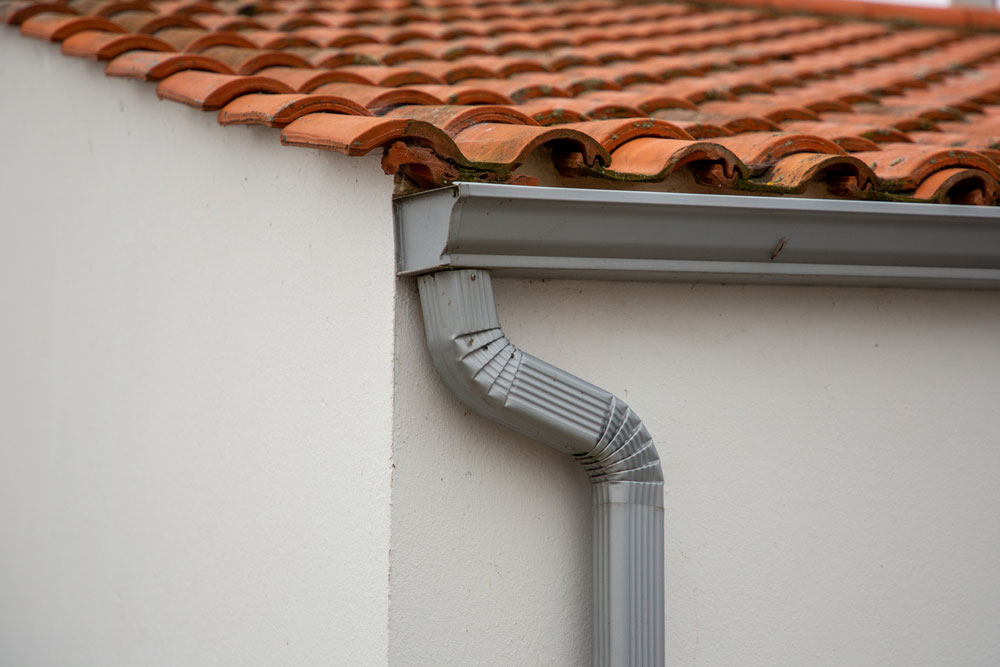
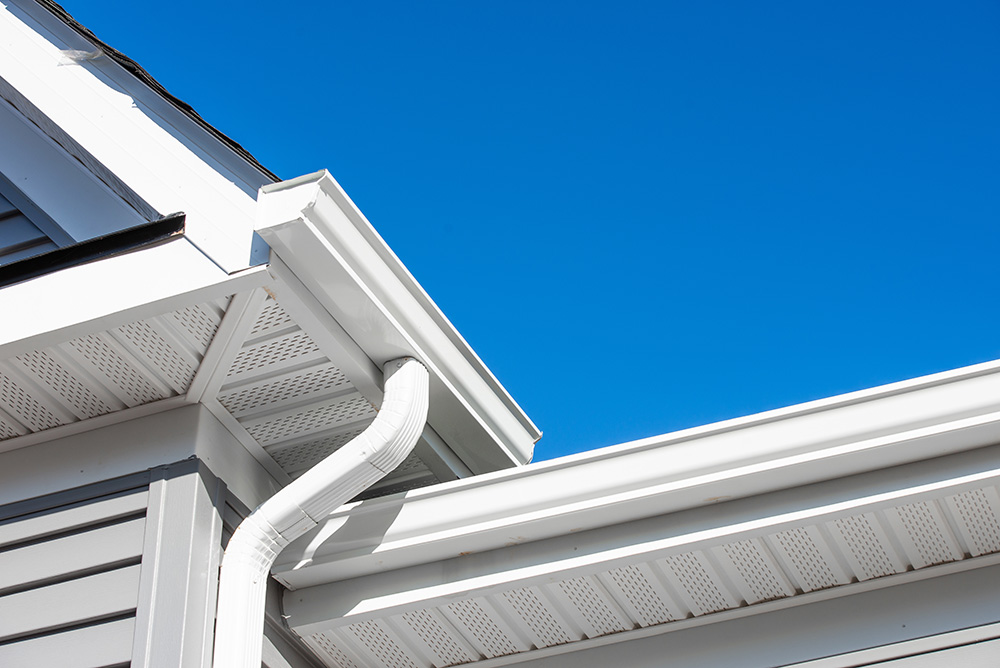

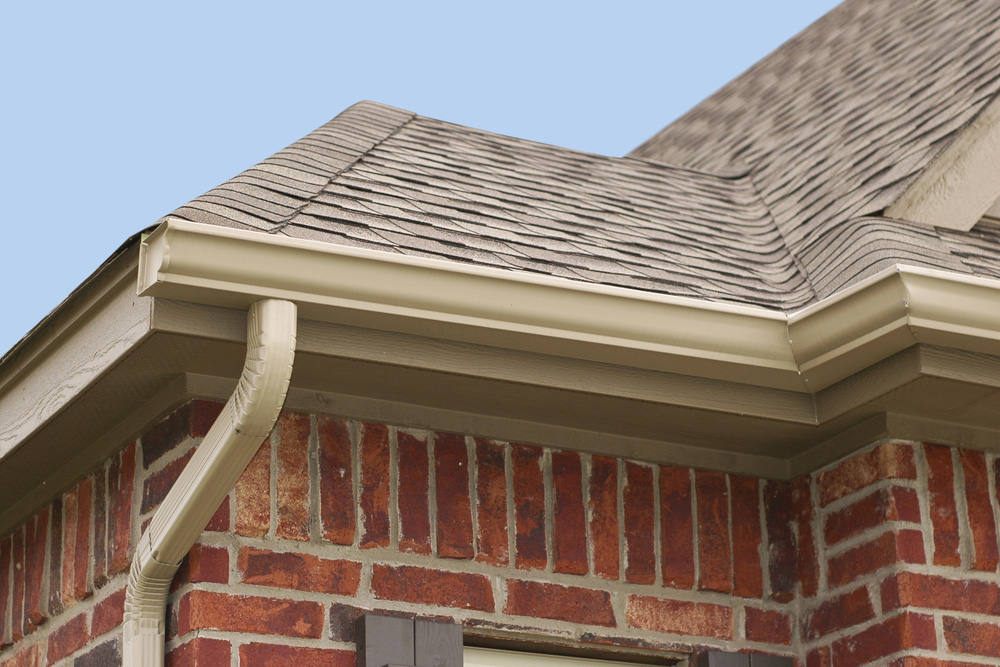
Seamless Gutters Are Far Superior
Seamless gutters offer numerous benefits that make them a popular choice for homeowners. One key advantage is their seamless design, which eliminates the presence of joints or seams found in traditional sectional gutters. This seamless construction greatly reduces the risk of leaks, as there are fewer opportunities for water to seep through. As a result, seamless gutters provide superior water management, effectively channeling rainwater away from the roof and foundation of the building. Additionally, their smooth and streamlined appearance enhances the curb appeal of the property, as there are no visible seams interrupting the clean lines of the gutters. Seamless gutters are custom-made to fit the exact dimensions of the property, ensuring a precise and seamless installation. With less maintenance required and fewer chances of clogs or debris accumulation, seamless gutters provide convenience and peace of mind for homeowners. Their durability, resistance to leaks, and improved aesthetic appeal make seamless gutters a wise investment for protecting the integrity and value of a property.
Leaf Guards Lower Maintenance & Increase Longevity
Leaf guards, also known as gutter guards or gutter covers, can provide significant benefits and are worth considering for many homeowners. Here are some reasons why leaf guards can be worth installing:
- Reduced Maintenance: Leaf guards act as a barrier, preventing leaves, twigs, debris, and other unwanted materials from entering the gutters. This significantly reduces the frequency of gutter cleaning and maintenance, saving homeowners time, effort, and potential risks associated with climbing ladders.
- Prevents Clogs and Blockages: By keeping leaves and debris out of the gutters, leaf guards help prevent clogs and blockages. Clogged gutters can lead to water overflow, which can cause damage to the roof, fascia, siding, and even the foundation of the building. Leaf guards ensure proper water flow, minimizing the risk of costly repairs.
- Enhanced Water Management: Leaf guards facilitate efficient water flow within the gutters, even during heavy rainstorms. They help prevent water from overflowing or backing up, ensuring that rainwater is properly directed away from the roof and foundation of the building. This protects against water damage and potential structural issues.
- Extended Gutter Lifespan: Leaf guards help prolong the lifespan of gutters by reducing the accumulation of debris and minimizing exposure to moisture. By preventing excess weight and blockages, leaf guards can help maintain the structural integrity and functionality of the gutters over time.
- Pest Prevention: Clogged gutters can become an ideal breeding ground for pests, such as mosquitoes, rodents, and insects. Leaf guards create a barrier that deters pests from nesting or accessing the gutters, helping to mitigate potential pest-related issues.


While leaf guards offer significant benefits, it’s important to note that no system is completely maintenance-free. Some debris may still accumulate on top of the leaf guards, requiring occasional cleaning. Additionally, not all leaf guards are created equal, so it’s crucial to choose a reputable product and ensure proper installation for optimal performance.
Benefits Of Installing Gutters
Installing gutters offers several important benefits for both residential and commercial properties. Here are some key advantages:
- Water Management: Gutters efficiently collect rainwater and direct it away from the building’s foundation. This helps prevent water damage, such as basement flooding, soil erosion, and foundation issues. By channeling water away from the property, gutters protect the structural integrity of the building.
- Prevents Water Stains: Gutters prevent water from cascading directly off the roof and splashing against exterior walls. This reduces the likelihood of unsightly water stains and streaks on the siding, which can degrade the appearance of the property.
- Landscape Preservation: By collecting rainwater and directing it away from the foundation, gutters help prevent excessive water from pooling around landscaping features. This protects plants, flowerbeds, and trees from drowning or soil erosion.
- Prevents Soil Erosion: Without gutters, heavy rainwater falling directly from the roof can cause soil erosion around the perimeter of the building. Gutters control the flow of water, preventing erosion and preserving the integrity of the landscaping.
- Foundation Protection: Excessive water around the foundation can lead to soil expansion and contraction, resulting in cracks and damage to the foundation. Gutters help maintain a consistent moisture level around the foundation, reducing the risk of costly structural issues.
- Exterior Maintenance: Gutters also help protect the exterior of the building by preventing water from splashing onto windows, doors, and other vulnerable areas. This reduces the need for frequent maintenance and repairs caused by water damage.
- Crawl Space Protection: Properly functioning gutters ensure that rainwater is efficiently channeled away from the property, reducing the likelihood of water seeping into basements or crawl spaces underneath your home. This helps maintain a dry and healthy environment.
Do You Need To Have Your Gutters Repaired Or Replaced?
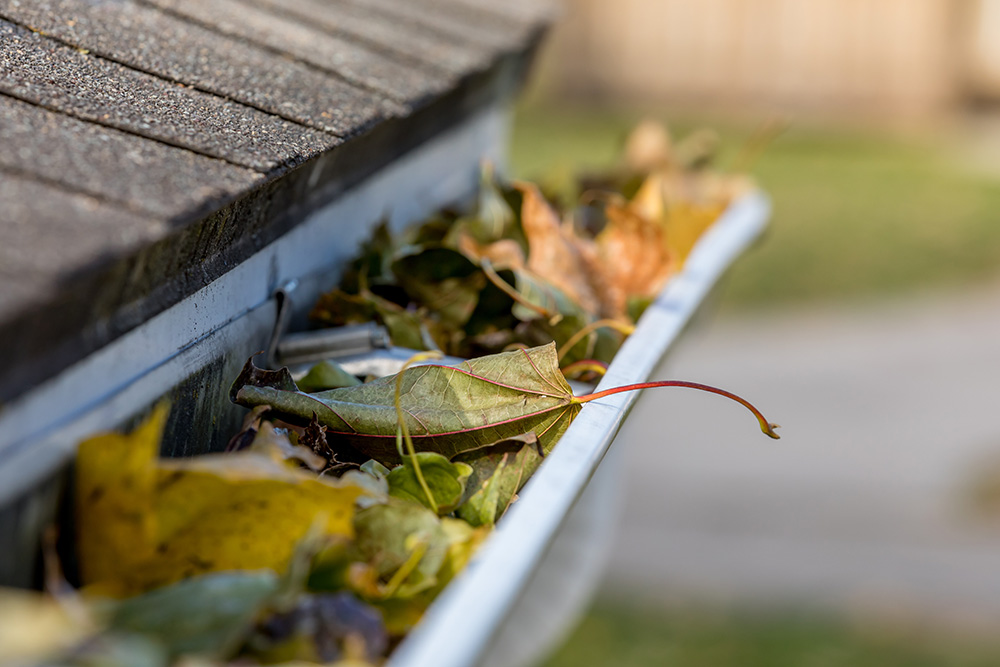
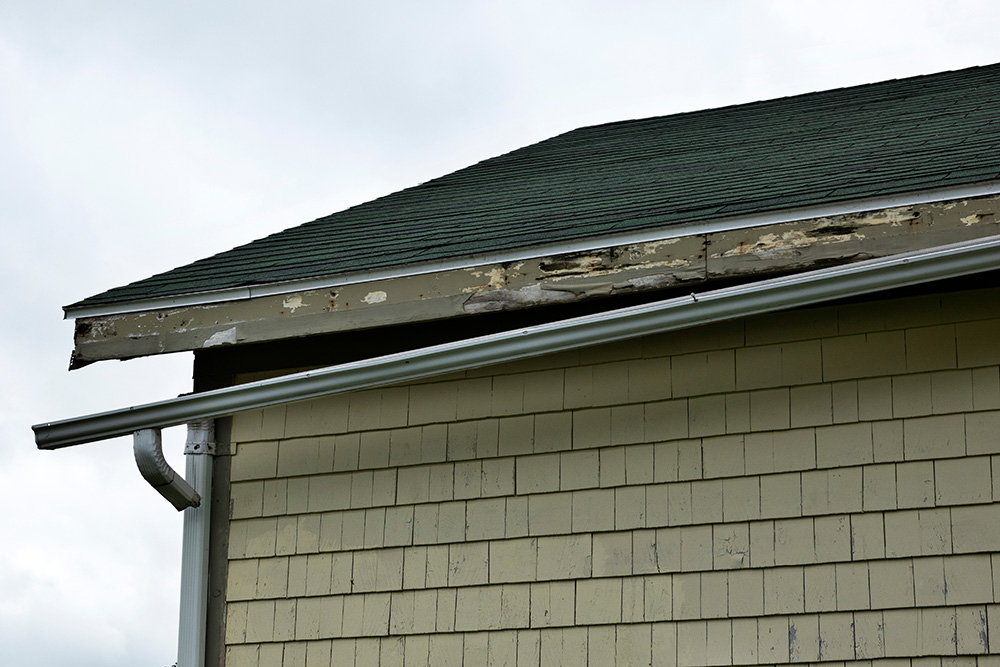
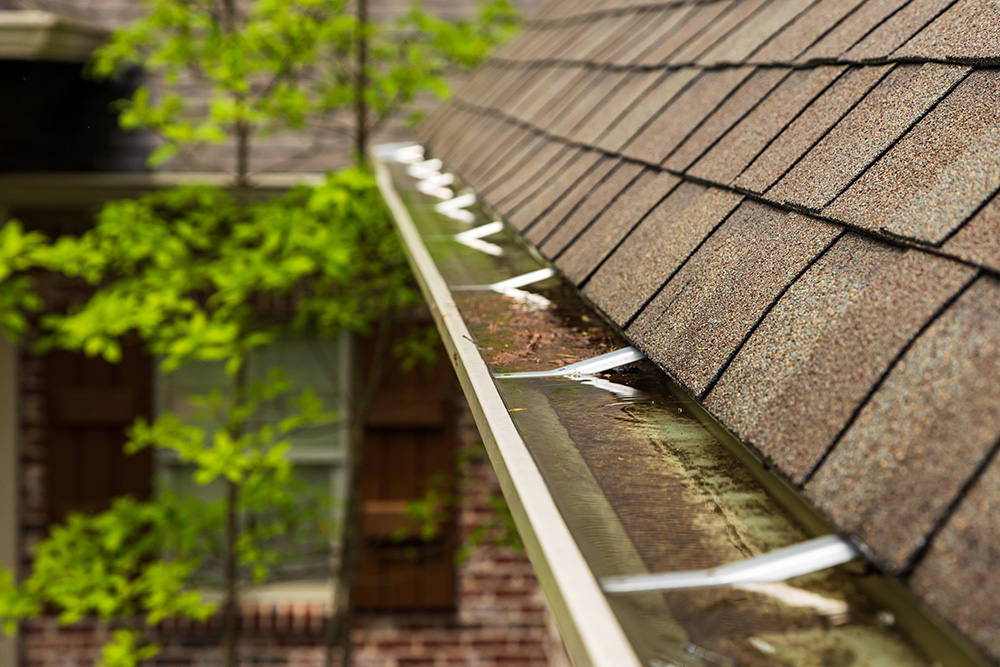
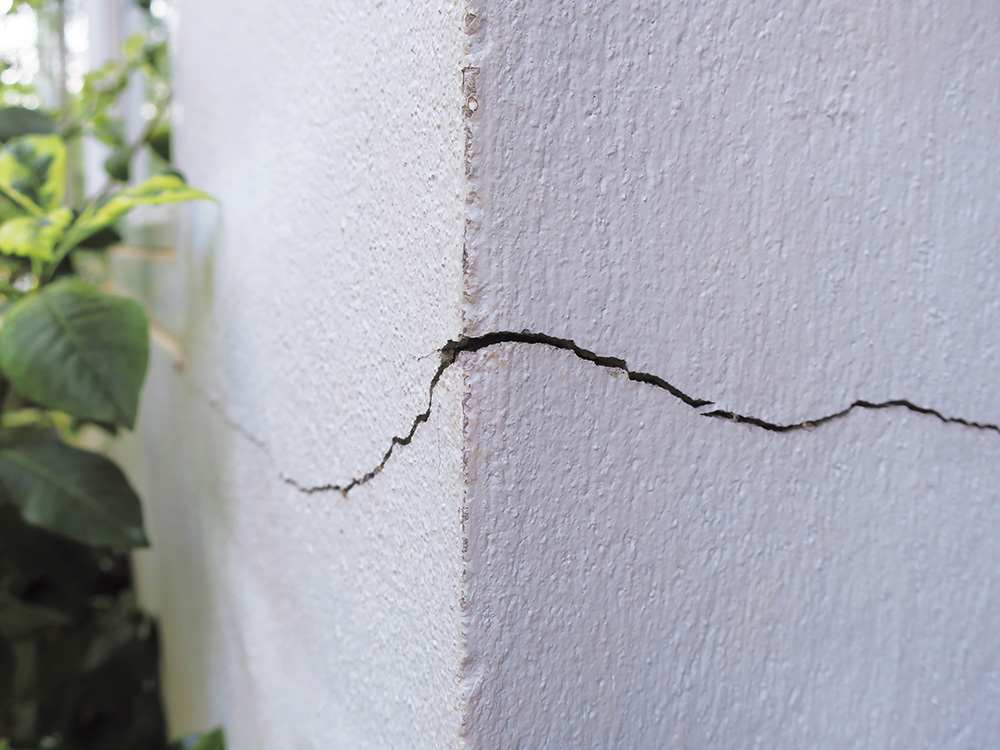
Common Signs Of Gutter Problems
- Water pouring out of your gutters — Rainwater should only drain from your downspouts. If rain is causing water to pour out from your roof, your gutters may be clogged, cracked, or have some other kind of damage.
- Cracks in your foundation — Cracks or worn parts of your foundation can be a sign that your gutters aren’t directing the flow of water away from your home.
- Standing water in you gutters — If your gutters are holding water instead of draining it, they need to be looked at as soon as possible.
- Gutters that sag or hang loose — In order for them to properly drain water, you gutters need to be securely installed. They also need to be repaired if they’re sagging, hanging loosely, are tilted instead of level, aren’t connected to seams, or are dropping nails and broken fasteners onto the ground.
- Bent or cracked gutters — A large number of cracks, bends, and other types of visible damage can be a sign that it’s time to repair or replace your gutters.
- Puddles around the foundation after it rains — This can be a sign that your gutters aren’t doing their most important job, which is to keep standing water, excess moisture, and mold from growing around your home’s foundation.
- Erosion in your home’s exterior — You may not think much of it, but peeling paint, corrosion in your siding, rotting, and rusting are all indications of water damaging your home’s exterior. Your gutters may be to blame.
- Washed out landscaping — Your gutters need to be properly aligned so they can send water away from your landscaping instead of causing plants to get washed away, their roots to come loose, or mud tracks to form in your flowerbeds.
Gutters FAQ
Maintaining a functional gutter system is crucial for protecting your home from water damage. Whether you’re a new homeowner or just looking to better understand your home’s maintenance needs, our comprehensive Gutters FAQ provides valuable insights. From understanding the basics of gutter systems to learning how to extend their lifespan, we cover all the essential information. Dive in to find answers to common questions about gutter types, materials, maintenance, and more, ensuring your home remains safe and dry year-round.
Gutters are long, narrow channels affixed to the edges of your roof, designed to capture and direct rainwater away from your home’s foundation. They play a critical role in protecting your home from water damage. Without gutters, rainwater would fall directly off the roof, potentially causing soil erosion, foundation damage, basement flooding, and even damage to your exterior walls and landscaping. Gutters ensure that rainwater is properly managed, reducing the risk of these costly issues.
It’s generally recommended to clean your gutters at least twice a year, typically in the spring and fall. However, this frequency can increase if you have many trees around your home, which can drop leaves, twigs, and other debris into your gutters. If your area experiences frequent storms, you might also need to clean your gutters more often. Regular cleaning helps prevent clogs that can lead to overflow and damage.
Several signs indicate that your gutters need cleaning. If you notice water spilling over the edges of the gutters, this is a clear sign that they are clogged. Other signs include gutters that are sagging or pulling away from the house, plants growing in the gutters, and water stains or damage on the exterior walls of your home. Additionally, if you see a higher than usual amount of insects around your gutters, it might be due to the stagnant water trapped in clogged gutters.
There are various types of gutters to choose from, each with its own benefits and drawbacks:
– K-Style Gutters: These gutters have a flat back and bottom with a decorative front that resembles crown molding. They are very popular due to their efficiency and attractive appearance.
– Half-Round Gutters: These gutters are semi-circular and often used on older, historic homes. They provide a classic look but can be less efficient than K-style gutters due to their shape.
– Box Gutters: Typically used on commercial buildings and some flat-roofed homes, these gutters are built into the roof’s edge and are often larger, making them capable of handling significant water flow.
Preventing clogs is crucial to maintaining the efficiency of your gutters. Installing gutter guards or screens can significantly reduce the amount of debris that enters your gutters. These guards cover the gutters, allowing water to flow through while keeping leaves, twigs, and other debris out. Regular maintenance and inspections are also essential. Even with gutter guards, it’s important to check your gutters periodically to ensure they remain clear.
Gutter guards are protective covers designed to fit over your gutters, blocking debris while allowing water to pass through. They come in various types, including mesh screens, foam inserts, and solid covers with slits. Gutter guards can greatly reduce the frequency of gutter cleaning, but they are not entirely maintenance-free. They still require occasional cleaning and inspection to ensure they are functioning correctly. If you live in an area with a lot of trees or frequent storms, gutter guards can be a worthwhile investment.
You should consider replacing your gutters if you notice the following signs:
– Cracks or Splits: Even small cracks can eventually lead to larger issues, causing water damage to your home.
– Peeling Paint or Rust Spots: This indicates that water is not being properly drained away from the house, leading to potential rust and structural damage.
– Water Damage or Mold: If you see water damage or mold around your foundation or on your exterior walls, it could be due to faulty gutters.
– Sagging Gutters: If your gutters are sagging or pulling away from the house, they are likely too heavy with debris or water, indicating a need for replacement.
– Frequent Clogs: If your gutters are constantly clogged despite regular cleaning, they might not be the right size or design for your home.
The lifespan of gutters varies based on the material used:
– Aluminum: 20-30 years with proper maintenance.
– Copper: Over 50 years, due to their durable nature.
– Vinyl: Typically 10-20 years, but this can be shorter in extreme weather conditions.
– Steel: 20-30 years if they are well-maintained and protected from rust.
While some homeowners choose to install gutters themselves, hiring a professional is often the best choice. Professional installation ensures that the gutters are correctly positioned and sloped, which is crucial for proper drainage. Incorrect installation can lead to water damage and other issues. Additionally, professionals have the necessary tools and experience to complete the job safely and efficiently.
The cost of new gutters depends on several factors, including the material, style, length, and complexity of the installation. On average, homeowners can expect to pay between $5 to $20 per linear foot installed. This price can vary based on additional features like gutter guards or downspouts.
Yes, gutters come in a wide range of colors to match or complement your home’s exterior. Aluminum and vinyl gutters, in particular, offer a variety of color options. Some materials, like copper, develop a natural patina over time, which can add a unique aesthetic to your home.
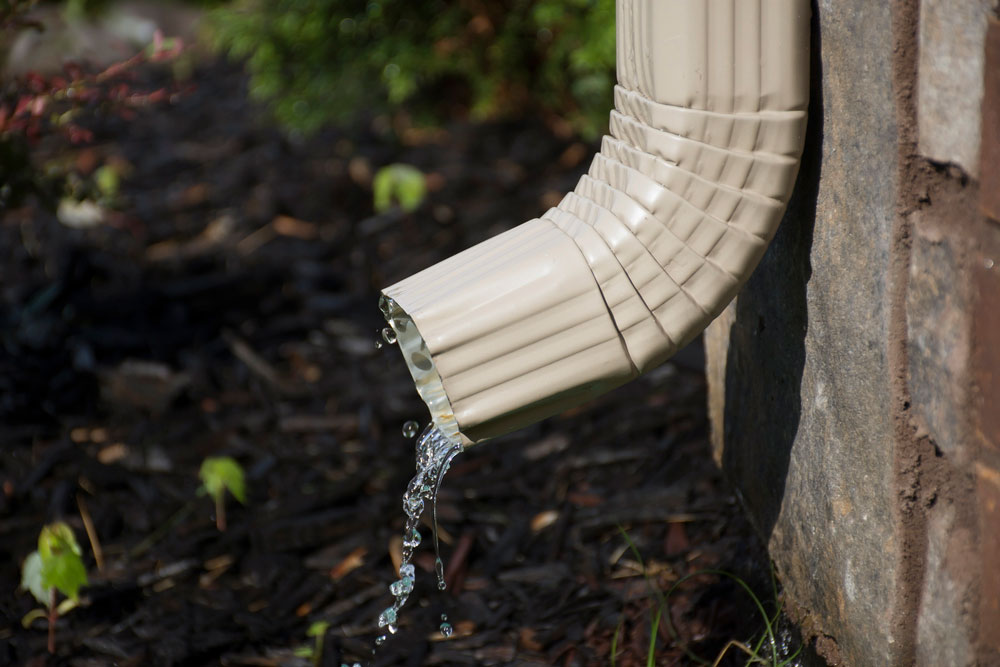
A downspout is a vertical pipe attached to the gutter system that directs rainwater from the roof to the ground or a drainage system. Downspouts are crucial because they channel water away from your home’s foundation, preventing issues like basement flooding, soil erosion, and foundation damage. Properly functioning downspouts are essential for maintaining the overall health of your gutter system.
To extend the life of your gutters, follow these maintenance tips:
– Regular Cleaning: Keep your gutters free of debris by cleaning them at least twice a year.
– Inspections: Regularly inspect your gutters for signs of damage or wear and tear.
– Prompt Repairs: Address any issues, such as cracks or sagging, immediately to prevent further damage.
– Gutter Guards: Consider installing gutter guards to reduce the amount of debris entering your gutters.
– Proper Slope: Ensure your gutters are properly sloped to allow for effective water drainage.
The slope of your gutters is critical for proper water flow. Gutters should be installed with a slight slope (typically 1/4 inch for every 10 feet) toward the downspouts. This ensures that water flows efficiently through the gutters and into the downspouts, preventing standing water, which can lead to rust, clogs, and other damage.
We hope this Gutters FAQ has answered some of your questions and provided insights into the importance of maintaining a functional gutter system. At Bayfront Exteriors, we are committed to helping you protect your home from water damage with high-quality gutter services and expert advice. If you have any additional questions or need further assistance, please don’t hesitate to call us. Our team of professionals is here to provide you with the support and solutions you need to keep your home safe and dry.
- How Coastal Weather Wears Down Your Home’s Exterior
 Living on the Texas Gulf Coast means sunshine, salty breezes, and waterfront charm—but it also means your home’s exterior is constantly under attack. From corrosive salt air and intense UV rays to high humidity and hurricane-force winds, coastal weather can quietly wear down siding, trim, doors, and windows year after year.
 - How to Spot Hairline Cracks in Your Stucco (and What to Do About Them)
 Recognizing the signs early gives you the chance to protect your home from water intrusion, mold, and more expensive repairs down the road.
 - Signs Your Home Needs Exterior Repairs Before It’s Too Late
 Over time, even the toughest materials will begin to wear down. When small exterior issues are ignored, they can quickly escalate into major repairs that cost thousands more to fix later.
 - Boosting Your Home’s Value With Smart Exterior Renovations
 Let us help you create a stunning and enduring first impression for your home. Strategic exterior renovations can significantly boost your home’s value and appeal.
 - Comprehensive Guide To Home Exterior Repair & Maintenance
 In this comprehensive guide, we’ll explore the significance of home exterior repair and maintenance, common issues faced by homeowners, and practical tips for keeping your home in top condition.
 - Different Material Types Of Gutters
 When comparing different types of gutters, such as aluminum, vinyl, steel, and zinc, several factors come into play. Aluminum gutters are a popular choice due to their lightweight nature, durability, and resistance to corrosion.
There are a number of solutions for taking care of gutter problems, depending on the type and severity of the issue. If you’re looking for someone to help you with any gutter installation or repair, be sure to get in touch with Bayfront Exteriors today. We would be happy to speak with you about your specific needs.
