
Good fencing will provide both security and privacy. They’re the preferred way of keeping any unwanted visitors from coming over and to ensure privacy. You can also find them in a number of styles and colors — many of which don’t require painting. Whether you want to keep your backyard from prying eyes or secure your pets, there’s an exterior fencing option that will work with your style and budget.
Before you start buying fencing supplies, you should take the time to call your local zoning office to find out what steps (if any) you need to take before you start putting up a border around your yard. If you want to put a fence along a property line, you may need to do a lot survey. If you belong to a Homeowner’s Association or live in a development that’s subject to certain covenants, you may be limited to a specific set of materials or fence height.
Main Types of Exterior Fencing
While exterior fencing can come in a variety of styles, here are some of the common ones:
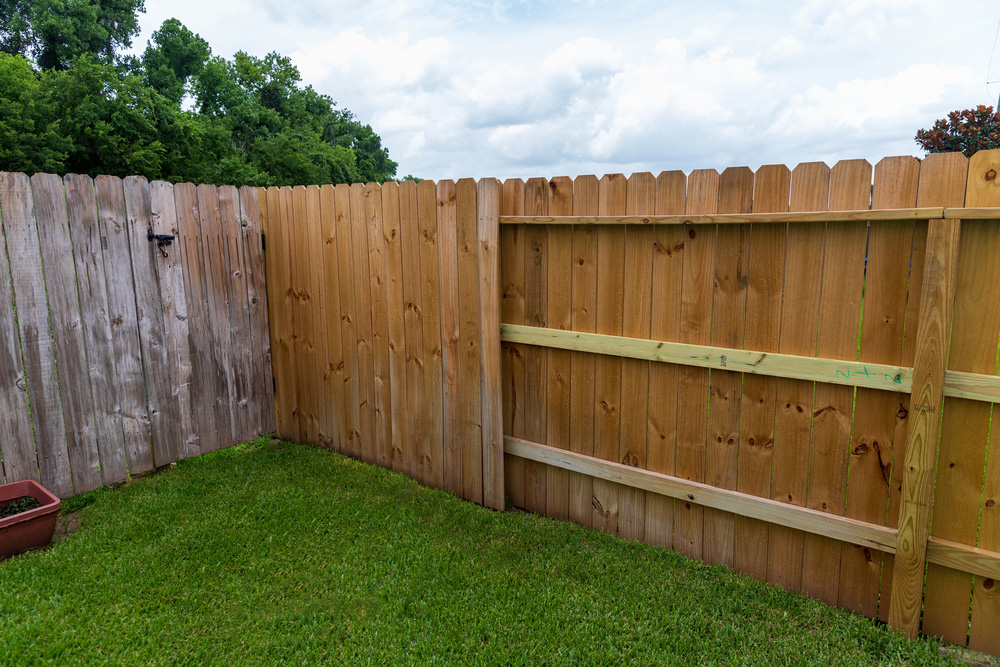
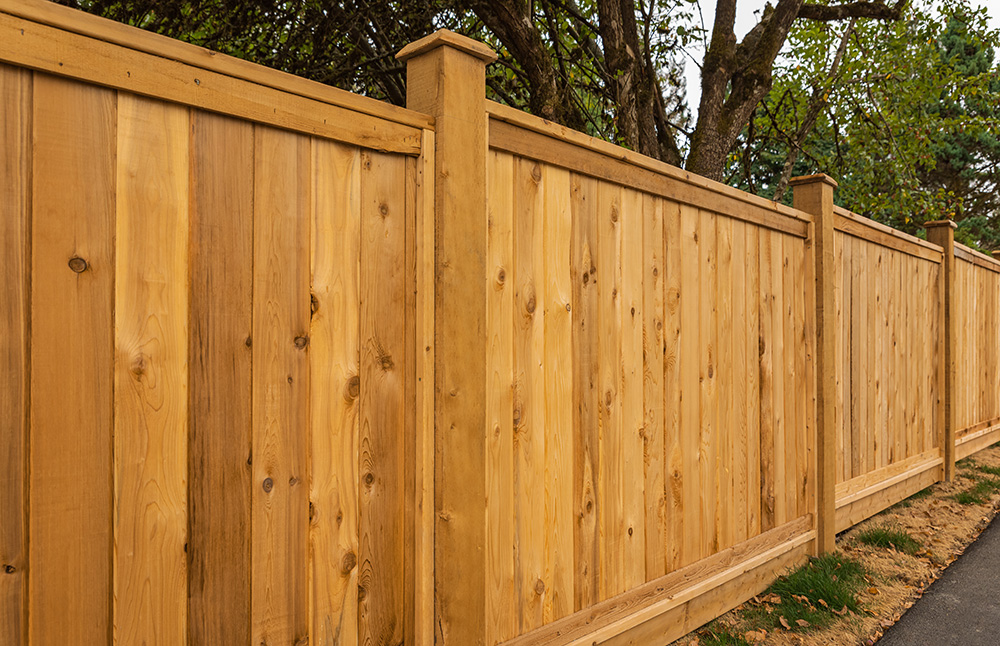
- Wood Fencing — This is a versatile type of exterior fencing and is graded based on the quality of the wood. Higher-grade wood fences are rated clear, which is followed by premium, select, standard, and quality. Lumber has a lower upfront cost than wood alternatives, is easy to seal or stain, and can retain finishes reasonably well.
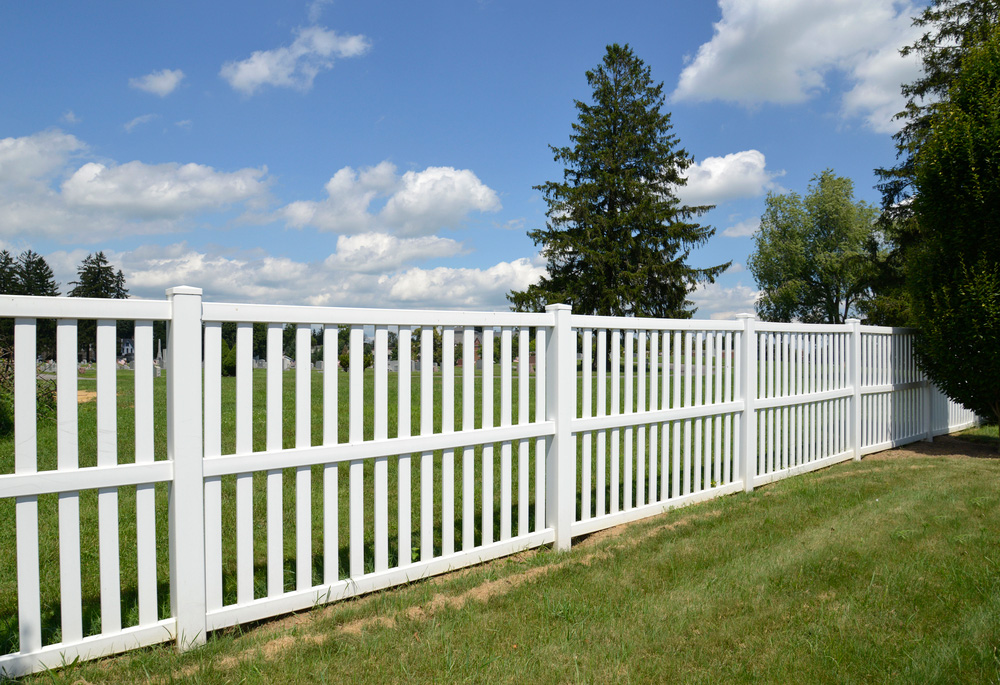
- Vinyl Fencing — This type of fencing is a durable way to give your yard some extra privacy. They’re made of a resilient, plastic-based substance that doesn’t require a great deal of maintenance. They’re easy to hose down when they’re dirty and can come in a number of neutral finishes.
- Composite Fencing — This type of fencing can be made to look like natural wood but without their susceptibility to the elements. It’s made out of a resin or plastic with some wood elements. While it does have its advantages in terms of durability, it has a higher upfront cost.
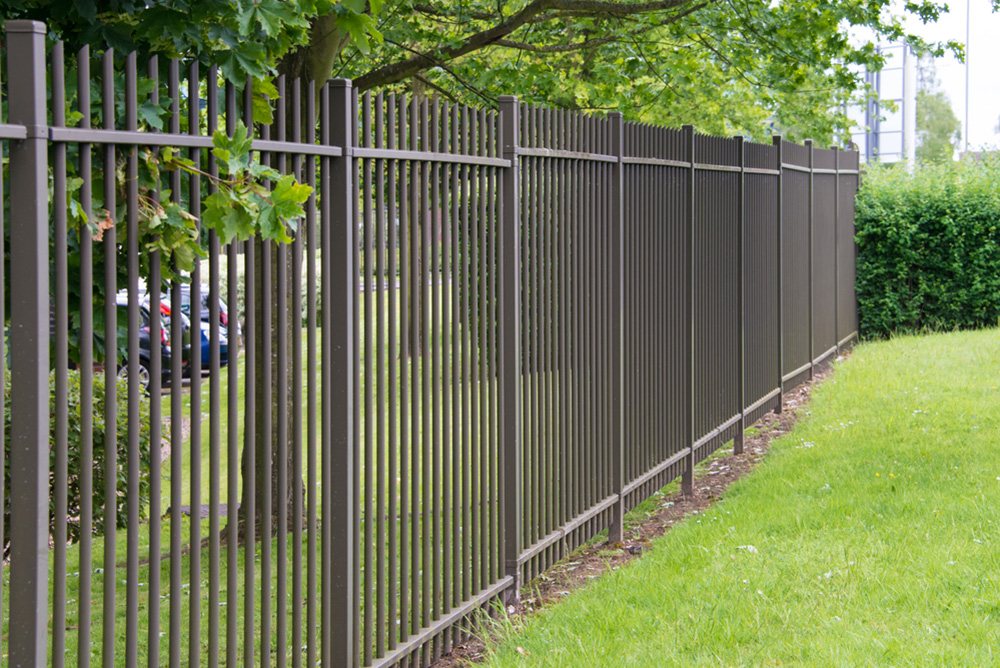
- Metal Fencing — This is a great option if you want to keep your kids or pets inside the yard without taking away the rest of the view. Metal fences will often have openings between the poles, which makes it hard for animals to get in or out. But it provides minimal disruption to your line of sight.
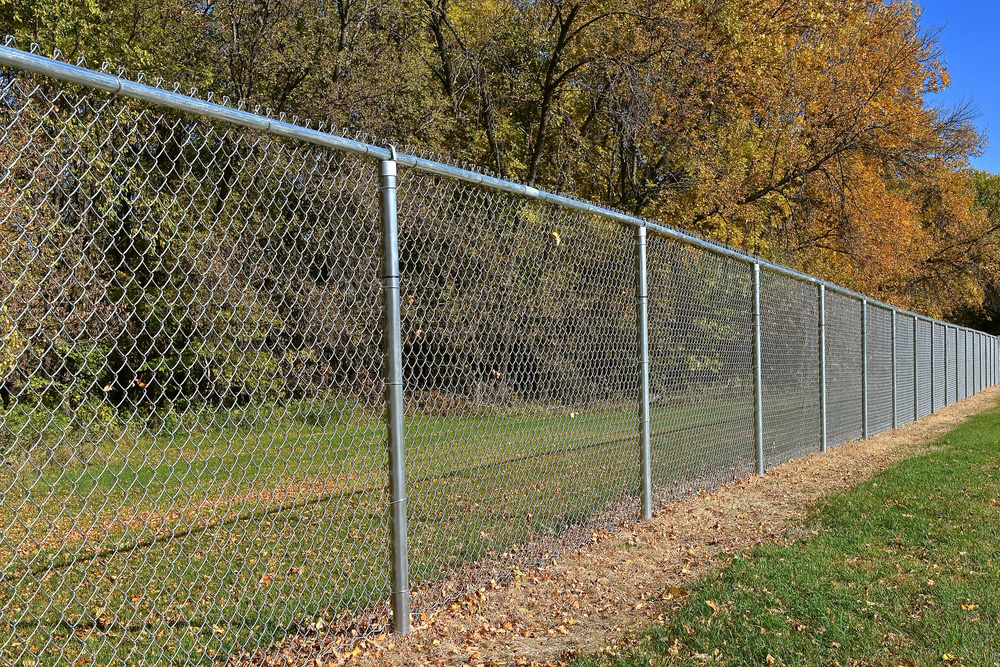
- Chain Link Fencing — This is one of the most affordable types of fencing, but it isn’t the most attractive. If the fence can’t be seen from your home, a chain link fence can be a budget-friendly solution. It can also provide a great deal of security and durability, which is why they’re often used on commercial properties.
The Anatomy of Exterior Fencing
There are many different types of exterior fencing, but all of them will have the following elements:
- End Post Cap — A rounded cap that’s used to protect the end posts.
- Brace Bend — Used to hold the rail end in place.
- Tension Band — Used to attach the chain link fence fabric to the line and end posts.
- Terminal Post — The end, corner, and gate posts.
- Rail Cup — Holds the top rails and secures them to the terminal posts.
- Tension Bar — A vertical bar that secures the chain link fabric to the tension bands and posts.
- Tension Wire — Can be added to the bottom of a chain link fence to keep animals from pushing underneath it.
- Rail — A horizontal bar that goes along the top of the fence.
- Line Post Cap — A ringed cap that sits on top of the line posts and holds the rails.
- Line Post Eye Top — A corrosion-resistant and polished piece that fits on top of the line posts to help support the rails.
- Post — A vertical piece that’s set in the ground and is the main support for the fence.
- Panel — A pre-assembled unit that attaches to the posts and provides screening.
- Concrete — A pourable mix that hardens to provide strong support for the post.
- Gravel — Small loose rock that allows drainage.
- Post Top — A decorative cap that gives the fence a more finished look.
- Fastener — Galvanized or stainless steel nails, screws, and other pieces of hardware that’s used to secure the fence’s components.
- Pickets — Vertical panels that attach to the rails and provide screening.
- Cross Rails — Horizontal elements that connect to the posts and support the pickets.
Adding a fence to your property is a great way to enhance its curb appeal while providing additional security. It’s essential if you have pets or young children, because it gives them boundaries.

Fencing Frequently Asked Questions
Welcome to Bayfront Exteriors’ Fencing Installation FAQ! Here, we answer all your questions about our fencing services to ensure you have all the information you need before embarking on your fencing project.
At Bayfront Exteriors, we offer a wide range of fencing options to suit your needs and preferences, including:
Wood Fencing: Classic and versatile, available in various styles such as picket, privacy, and ranch.
Vinyl Fencing: Durable and low-maintenance, perfect for a clean and modern look.
Chain-Link Fencing: Cost-effective and functional, ideal for security and pet containment.
Aluminum Fencing: Elegant and strong, provides a wrought-iron look without the maintenance.
Composite Fencing: Eco-friendly and long-lasting, made from recycled materials.
Choosing the right fence depends on several factors, including your budget, aesthetic preferences, and the primary purpose of the fence (e.g., privacy, security, or decoration). Our experienced team can help you evaluate your needs and recommend the best fencing solution for your property. We also offer free consultations to discuss your options in detail.
Our fencing installation process is straightforward and customer-focused:
Initial Consultation: We discuss your requirements, preferences, and budget.
Site Evaluation: Our team visits your property to take measurements and assess the site.
Design and Quote: We provide a detailed design plan and a no-obligation quote.
Permits and Approvals: We assist with any necessary permits and approvals.
Installation: Our skilled installers complete the installation efficiently and professionally.
Final Inspection: We ensure the fence meets our high standards and your satisfaction.
The timeline for fencing installation varies depending on the type of fence, the size of the project, and weather conditions. Typically, residential fence installations can be completed within one to three days. We provide a more precise timeline during the consultation phase.
Permit requirements vary by location and the type of fence being installed. Our team is knowledgeable about local regulations and can help you determine if a permit is needed. We can also assist with the permit application process to ensure compliance with local codes.
Maintenance requirements vary depending on the type of fence:
Wood Fencing: Periodic staining or painting to protect against weather damage.
Vinyl Fencing: Occasional cleaning with soap and water to remove dirt and debris.
Chain-Link Fencing: Minimal maintenance, just keep it free from rust and damage.
Aluminum Fencing: Regular cleaning and occasional touch-ups for scratches.
Composite Fencing: Low-maintenance, just routine cleaning to maintain its appearance.
The cost of a new fence depends on several factors, including the type of fence, the size of your property, and any custom features. We provide a detailed, transparent quote after the initial consultation and site evaluation, ensuring there are no hidden fees.
Yes, we stand by the quality of our work and materials. All our fences come with a manufacturer’s warranty, and an additional Bayfront Exteriors warranty. We are committed to your satisfaction and will address any issues promptly.
Absolutely! We have a portfolio of completed projects that showcases the variety and quality of our work. You can view our projects page https://bayfrontwindowsandsiding.com/projects/ on our website or request to see specific examples during your consultation.
Scheduling a consultation is easy! You can contact us via phone at (361) 800-5991, email us at bestroofers@bayfrontroofing.com, or fill out our online consultation request form. Our friendly team is ready to assist you with all your fencing needs.
Yes, we are able to accommodate many fencing solutions to meet your unique needs and preferences. Whether you have a specific design in mind or need a custom gate or decorative feature, our team can work with you to create a fence that perfectly complements your property. From custom heights and colors to intricate patterns and finishes, we ensure your fence is both functional and aesthetically pleasing. Discuss your custom fencing ideas with us during your consultation, and we’ll bring your vision to life.
The height of your fence is a critical decision influenced by multiple factors. For optimal privacy, consider a fence height ranging from 6 to 8 feet. However, local regulations play a pivotal role, as they often stipulate maximum allowable fence heights. Consulting with local authorities and neighbors can provide insight into any height restrictions and ensure compliance with community guidelines.
Understanding the longevity of various fencing materials is crucial for informed decision-making. Wood fences, when properly maintained, typically endure for 10 to 20 years. On the other hand, vinyl and metal fences boast longer lifespans, often exceeding 20 to 30 years due to their inherent durability and resistance to the elements. Composite fences, similar to vinyl, offer an extended lifespan while requiring minimal maintenance.
Installing a fence on uneven terrain requires specialized techniques. The approach varies based on the degree of slope. Stepped panels, custom adjustments, or terraced installations are common solutions. Professional advice and expertise are recommended to ensure the fence is structurally sound and aesthetically pleasing on sloped landscapes.
Maintaining a wooden fence involves more than occasional painting or staining. Regular inspections for loose boards, nails, and signs of insect activity are essential. Applying a protective sealant every few years helps combat weathering and rot. Additionally, addressing repairs promptly ensures the longevity and structural integrity of the fence.
Embracing environmentally friendly fencing options aligns with sustainable practices. Bamboo, composite materials made from recycled plastics and wood fibers, and reclaimed wood are eco-conscious choices. These materials minimize environmental impact, offering durable and aesthetically pleasing alternatives to traditional fencing options.
While DIY fence installations are possible, professional installers bring valuable expertise to the process. Their knowledge ensures proper alignment, compliance with local regulations, and efficient installations. Professionals can address challenges that may arise during the installation, providing a secure and well-executed final product.
Vinyl fencing offers a multitude of advantages, making it a popular choice for homeowners. Low maintenance requirements, exceptional durability, resistance to rot, insects, and harsh weather conditions, and a diverse range of styles and colors contribute to its appeal. Additionally, vinyl fences are known for their longevity, making them a cost-effective and aesthetically pleasing option.
Navigating the permitting process is crucial before embarking on a fence installation project. Many areas require permits, and violating these regulations can result in legal complications and fines. Checking with local authorities and obtaining the necessary permits ensures a smooth and compliant fence installation process.
Elevating your fence beyond the ordinary involves exploring creative ideas tailored to your preferences. Consider unique designs such as horizontal or diagonal slat patterns, incorporation of contrasting materials, or the addition of decorative post caps. Unleashing creativity can result in a fence that not only serves its functional purpose but also becomes a standout feature of your property.
Vigilance is key when it comes to fence repairs. Regular inspections for issues like loose boards, rust, or leaning posts are paramount. Promptly addressing repairs prevents further damage and ensures the long-term stability of the fence. For major repairs or expert guidance, consulting with professionals is advisable to guarantee a comprehensive and lasting solution.
Choosing the ideal fencing material requires a comprehensive evaluation of your specific needs, preferences, and budget constraints. Understanding the unique characteristics of wood, vinyl, metal, composite, and other materials empowers you to make an informed decision. Factors such as maintenance requirements, durability, and aesthetic appeal should all be considered.
Customizing your fence allows for a personalized touch that aligns with your unique style. Incorporate decorative elements such as ornate post caps, lattice panels, or alternative materials to enhance the aesthetic appeal. Tailoring your fence to your preferences not only adds a distinctive flair but also contributes to the overall character of your property.
While fences can be installed throughout the year, selecting an optimal time is advisable. Spring and summer are often preferred due to more favorable weather conditions, facilitating a smoother installation process. However, local climates and considerations may vary, making consultation with professionals essential for personalized advice.
Local regulations often extend to fence aesthetics, including color and design. Understanding these regulations beforehand is crucial to avoid potential conflicts and ensure compliance. Consulting local authorities and obtaining clarity on any restrictions ensures that your chosen fence design aligns with community guidelines.
Adapting your maintenance routine to the changing seasons is integral to preserving your fence’s longevity. Inspect for winter damage and apply protective measures in the spring, such as sealant application. Consistent and seasonally appropriate maintenance practices contribute to the overall health and appearance of the fence.
Utilizing fencing as a noise barrier requires strategic selection of materials and design. Certain fence types, including vinyl or wood with added mass, can effectively minimize noise transmission. Tailoring your fence to serve this dual function requires a nuanced approach, and consultation with professionals is recommended to achieve optimal results.
Understanding the distinction between pressure-treated and untreated wood is essential for choosing the right material for your fence. Pressure-treated wood undergoes chemical treatment to resist decay and insects, imparting enhanced durability. In contrast, untreated wood is more susceptible to weathering and pests, necessitating vigilant maintenance to ensure its longevity.
Exploring alternatives to traditional fencing materials opens up a world of possibilities. Bamboo, composite materials, and reclaimed wood offer unique and sustainable choices for those seeking an unconventional approach to fencing. These materials not only contribute to environmental conservation but also provide distinctive aesthetics and functionality.
Clarity regarding property lines is paramount before undertaking a fence installation project. Consulting with a professional surveyor ensures accurate delineation, preventing potential legal disputes with neighbors. Understanding and respecting property boundaries is foundational to a successful and conflict-free fence installation.
Securing a fence in high-wind areas necessitates strategic planning. Opting for fence styles with minimal wind resistance, such as open designs, is a practical approach. Additionally, ensuring sturdy post installation and considering natural windbreaks, such as shrubs or trees, contributes to the overall stability and longevity of the fence in challenging weather conditions.
If you’re looking for one of the best fencing companies in Corpus Christi, be sure to reach out to Bayfront Exteriors.
